

From Checklists to Connected Workflows: The Evolution of Property Operations
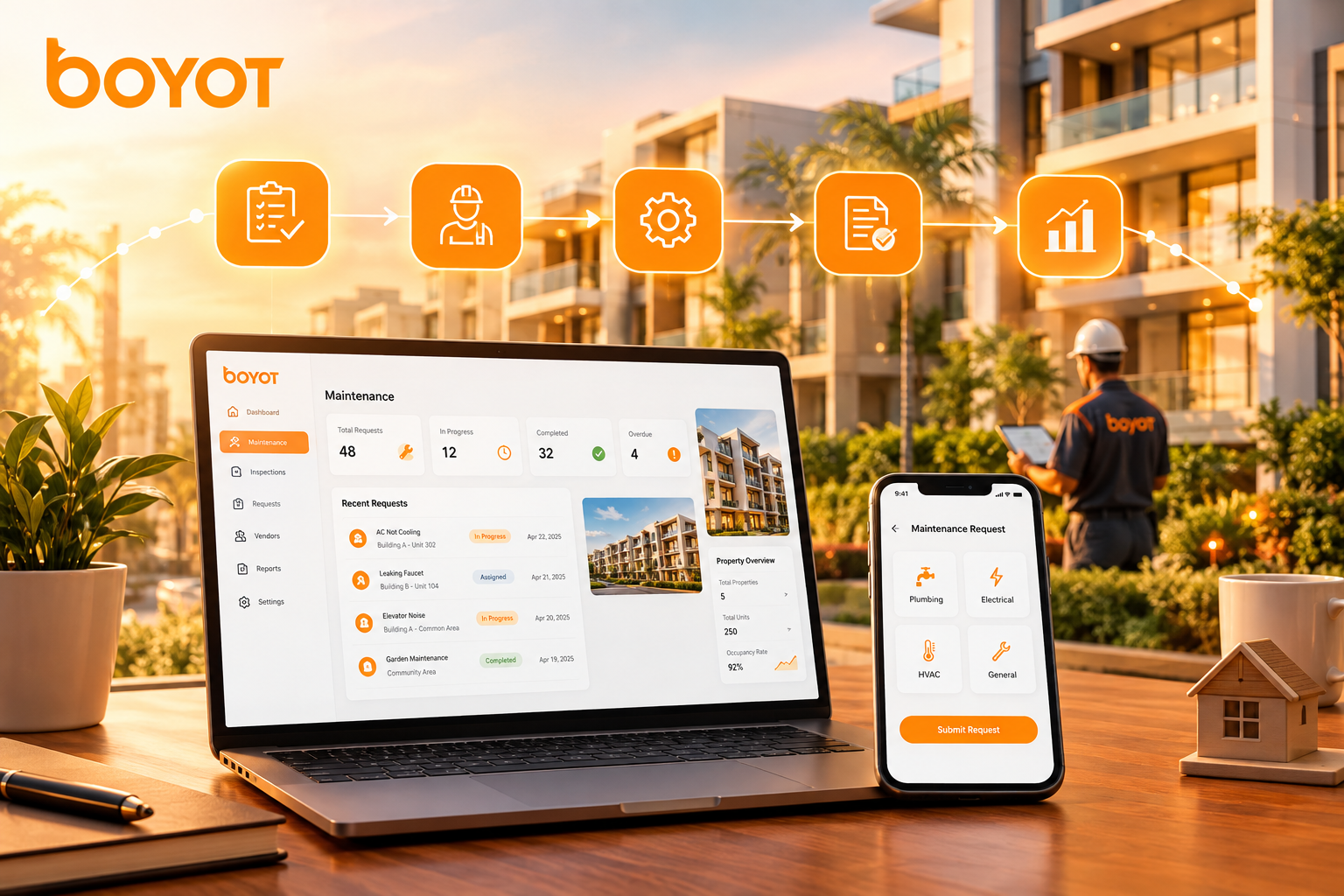
Property management has traditionally relied on checklists, spreadsheets, emails, phone calls, and manual follow-ups to keep daily operations moving. While these methods can work for smaller properties, managing larger residential communities and growing portfolios requires a more connected approach.
Today, property operations technology is changing how real estate teams organize tasks, communicate, monitor services, and maintain properties. The shift is not simply from paper to digital checklists. It is about creating connected workflows where a task can move from identification to assignment, completion, and reporting within a structured digital environment.
Why Traditional Property Workflows Are Changing
Property operations involve dozens of activities every day. Maintenance issues need to be reported, inspections need to be completed, vendors need to be coordinated, payments need to be monitored, and residents need to receive updates.
When these activities are handled through disconnected tools, important information can become difficult to track.
A simple maintenance issue, for example, may begin with a phone call, be recorded in a spreadsheet, assigned through a message, and eventually reported through email. This creates unnecessary steps and makes it harder to understand the complete history of the task.
Connected digital workflows provide a more structured alternative.
From Checklists to Digital Workflows
Checklists remain useful for property inspections, routine maintenance, cleaning, safety checks, and other operational activities. However, modern technology can turn a static checklist into an actionable workflow.
A digital workflow can connect:
- Task creation
- Assignment
- Priority and deadlines
- Staff or vendor coordination
- Status tracking
- Documentation
- Completion
- Reporting
Instead of simply marking an item as completed, property teams can maintain a digital record of what happened and when.
How Connected Workflows Improve Property Operations
1. Clearer Task Ownership
Connected workflows make it easier to determine who is responsible for each task.
Once an issue or activity is created, it can be assigned to the relevant employee, maintenance team, or service provider. This reduces uncertainty and makes follow-up easier.
2. Better Tracking From Start to Finish
A connected workflow provides visibility into the entire progress of an activity.
Property managers can see whether a task is pending, assigned, in progress, completed, or requires further action. This is particularly useful when managing hundreds of units or multiple properties simultaneously.
3. Centralized Operational Records
Digital workflows create structured records that can be referenced later.
Inspection results, maintenance activities, service requests, and related documentation can be stored digitally instead of being spread across emails, paper files, and spreadsheets.
Over time, these records can become a valuable source of operational information.
4. Faster Communication Between Teams
Property operations involve multiple stakeholders, including property managers, technicians, vendors, owners, and residents.
Connected platforms can help information move between the relevant people without requiring repeated manual communication.
This can reduce delays and ensure that everyone involved has clearer visibility into the status of an activity.
5. More Consistent Property Management
When property teams rely heavily on individual processes, the way tasks are handled can vary from one property to another.
Digital workflows allow organizations to standardize recurring processes. Inspection procedures, maintenance workflows, service requests, and other operational activities can follow consistent structures across different properties.
This becomes increasingly valuable as real estate portfolios grow.
The Role of Data in Modern Property Operations
Connected workflows also create something traditional checklists cannot easily provide: usable operational data.
Property managers can analyze information such as recurring maintenance issues, task completion times, service volumes, and operational workloads.
This can help identify patterns and support better planning.
Rather than simply knowing that a task was completed, management teams can begin understanding how efficiently their operations are performing.
BOYOT Supports Connected Property Operations
BOYOT provides an integrated environment for managing different aspects of property and community operations.
Through its property management ecosystem, BOYOT helps bring together maintenance, rental management, resident services, payments, communication, reporting, and other operational activities.
Instead of relying on disconnected processes, property teams can use a centralized platform to manage information and workflows more efficiently.
BOYOT's mobile applications also allow residents to interact digitally with property management, including submitting service and maintenance requests and accessing relevant property services.
This creates a more connected operational cycle, from a request being raised to management action, resolution, and record keeping.
The Future of Property Operations
The evolution of property operations is moving beyond simply digitizing paperwork. The next stage is about connecting people, tasks, information, and processes.
For property managers, this means moving from “What tasks do we have?” to “How efficiently are our operations working?”
As real estate portfolios continue to grow across Egypt and the GCC, connected workflows can help property companies create more standardized, transparent, and scalable operations.
The future of property management isn't about eliminating checklists. It is about turning them into connected workflows that make every task more visible, actionable, and measurable.