

From Shopping Malls to Urban Destinations: The Reinvention of Retail Real Estate
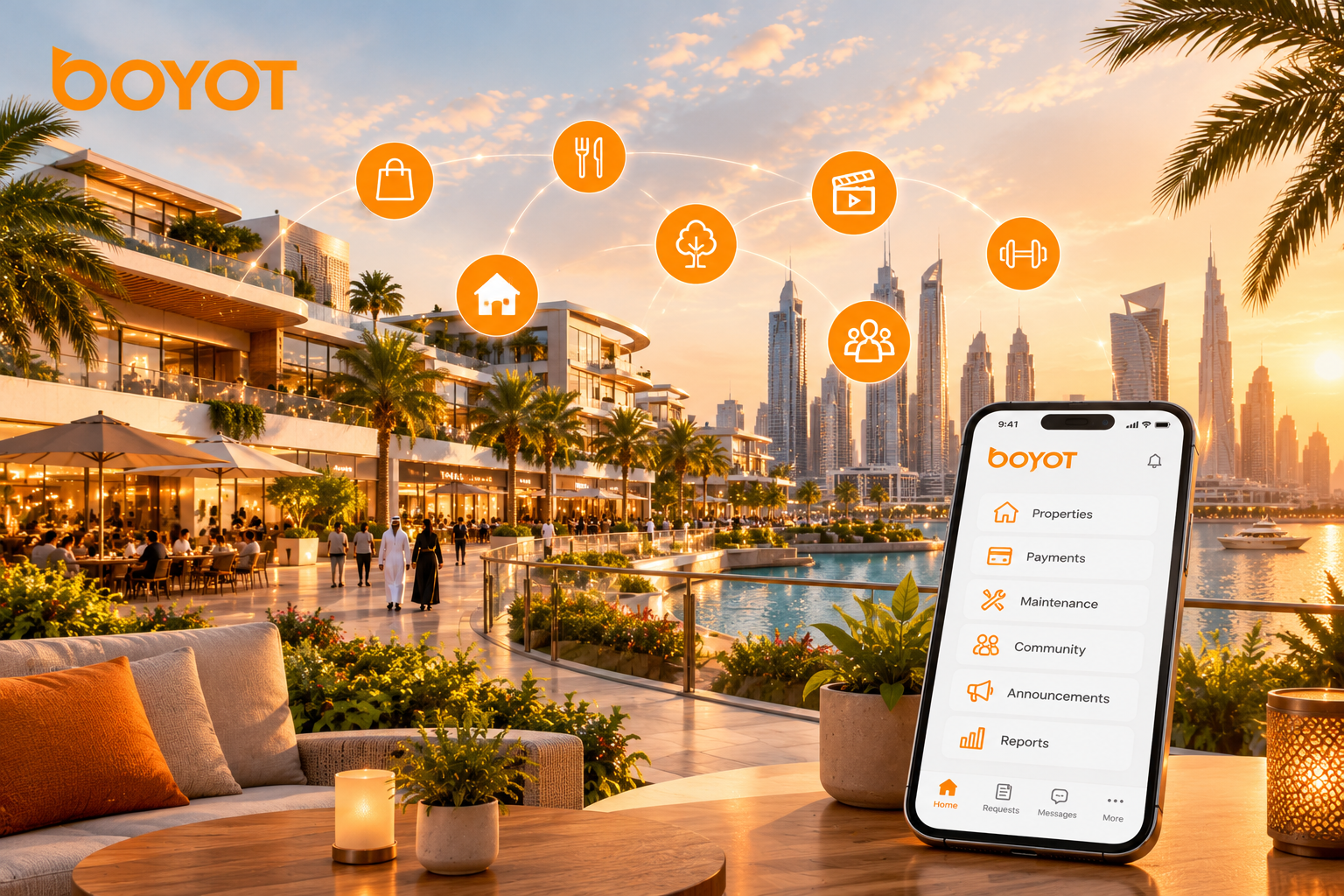
Shopping malls across the region are evolving beyond traditional retail spaces. While shopping remains important, developers are increasingly transforming malls into destinations where people can dine, enjoy entertainment, access services, attend events, and spend time with family and friends.
This shift is being driven by changing consumer preferences, e-commerce, tourism, and demand for more engaging physical experiences. In 2026, retail real estate discussions increasingly focus on experience-led destinations, mixed-use developments, and digital integration rather than retail space alone.
For developers and property managers, the challenge is no longer simply filling retail units. It is about creating destinations that attract visitors, encourage repeat visits, and remain commercially successful.
1. Shopping Is No Longer the Only Attraction
Consumers can purchase many products online, making physical retail destinations work harder to offer something different.
Modern malls are responding by combining shopping with experiences that encourage visitors to stay longer.
Popular features include:
- Restaurants, cafés, and diverse dining experiences
- Cinemas, family entertainment, and recreational activities
- Seasonal events, exhibitions, and cultural experiences
- Fitness, wellness, and lifestyle facilities
- Attractive outdoor areas and social spaces
These additions help transform shopping centres into lifestyle destinations where visitors come for more than a single purchase
2. Mixed-Use Developments Are Redefining Retail Real Estate
One of the most significant trends in property development is the integration of retail with residential, commercial, hospitality, and leisure spaces.
Instead of operating as isolated shopping centres, these developments can become connected urban destinations that serve residents, workers, tourists, and visitors throughout the day.
Across Saudi Arabia, new retail supply is increasingly being incorporated into mixed-use masterplans, with developers focusing on walkability, dining, wellness, and digital features.
The benefits of mixed-use retail developments include:
- A wider customer base throughout the week
- Greater convenience for nearby residents
- More opportunities for businesses to attract customers
- Multiple revenue streams for property owners
- Better integration with surrounding neighbourhoods
This approach makes retail an important part of the wider urban environment rather than a standalone destination.
3. E-Commerce Is Changing the Role of Physical Stores
Online shopping has changed how consumers discover products, compare prices, and make purchases. However, physical retail still offers experiences that digital platforms cannot fully replicate.
Retailers are increasingly combining online and offline channels through services such as click-and-collect, digital loyalty programmes, and mobile-based customer experiences. These capabilities are becoming increasingly relevant across retail markets.
For shopping centre owners, this creates opportunities to rethink how retail spaces are used.
Physical stores can function as product showrooms, experience centres, service locations, and collection points for online orders. Meanwhile, digital tools can help retailers and property operators understand visitor behaviour and improve the customer journey.
4. Property Management Is Essential to the Visitor Experience
An attractive retail destination depends on much more than its architecture and tenant mix. Its daily operations play a major role in how visitors experience the property.
Clean facilities, reliable maintenance, functioning equipment, effective security coordination, and responsive management all contribute to a successful destination.
Property teams must coordinate multiple tenants, service providers, maintenance activities, and shared facilities without disrupting business operations.
As retail developments become more complex, organised property management becomes essential for maintaining service quality and operational consistency.
5. Data and Technology Are Becoming Part of Retail Strategy
Retail property owners increasingly need information that helps them understand performance and make informed decisions.
Technology can support better visibility into operating expenses, maintenance activity, tenant-related information, and property performance. Retail destinations can also use visitor insights and digital engagement tools to evaluate which experiences attract customers.
However, collecting information is only the beginning. The real value comes from using it to improve operations, allocate resources, and make better-informed decisions.
How BOYOT Supports Modern Property Operations
BOYOT helps property managers and developers manage essential property and community operations through a connected digital platform.
Its solutions support activities such as maintenance requests, payments, invoices, announcements, tenant communication, and reporting. These capabilities can help property teams organise day-to-day responsibilities and maintain better visibility across their operations.
For retail and mixed-use property operators, effective management processes are important for coordinating services, monitoring requests, and supporting the people who use and occupy their properties.
As retail destinations continue to evolve, BOYOT can help businesses strengthen the operational foundation behind their properties, complementing the visitor experiences created through design, retail, and entertainment.
The Future of Retail Real Estate
The future of retail real estate is moving beyond traditional shopping centres towards destinations that combine commerce, leisure, hospitality, and community experiences.
Developers that balance engaging experiences with efficient operations and thoughtful use of technology will be better positioned to respond to changing consumer expectations.
The next generation of retail real estate will not simply give people places to shop. It will give them more reasons to visit, connect, and return.