

How AI Is Helping Property Managers Work Smarter
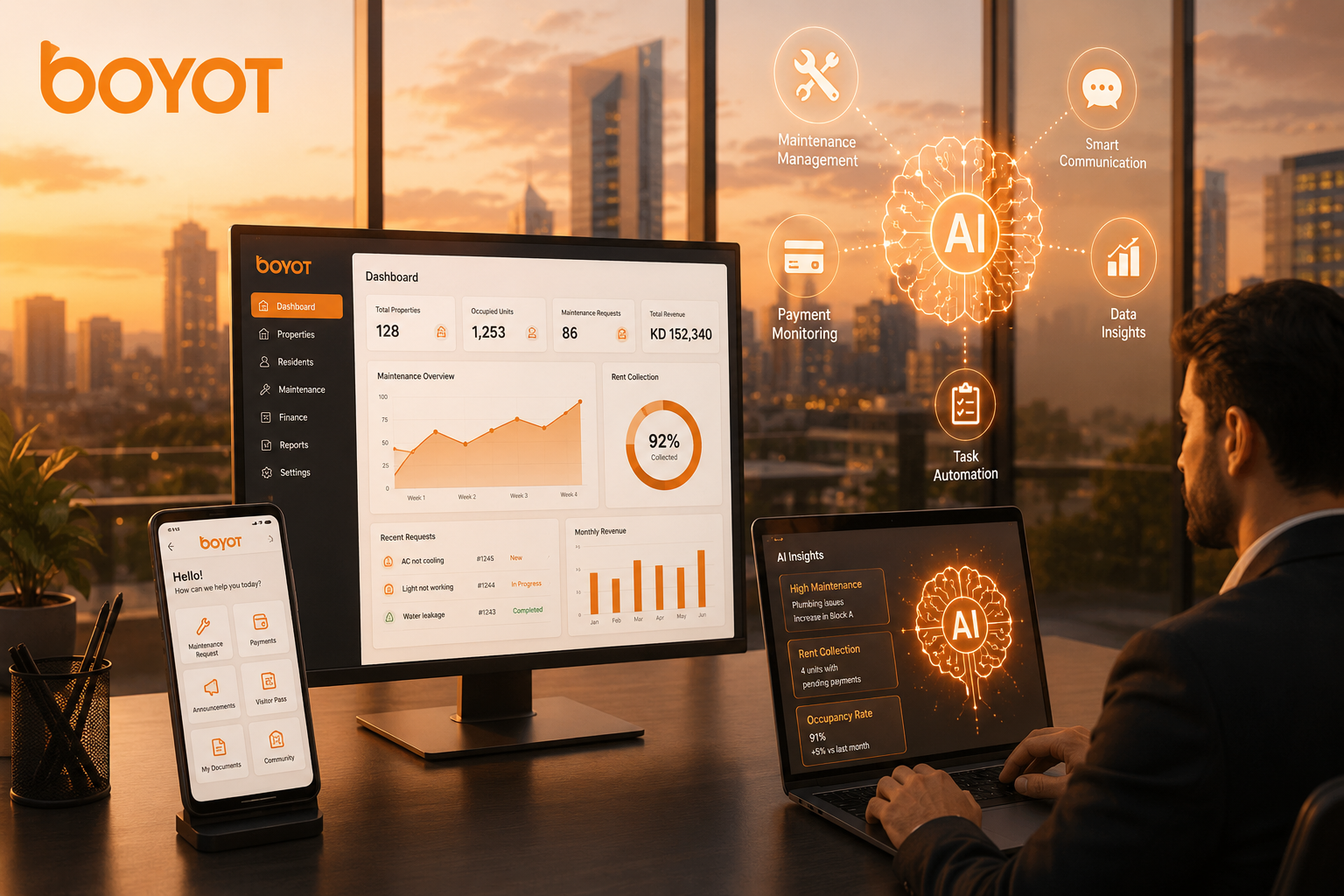
Property management is becoming increasingly complex. From handling resident requests and coordinating maintenance to managing payments, monitoring properties, and preparing reports, property managers are responsible for a growing number of daily operations.
At the same time, residents and property owners expect faster responses, greater transparency, and more convenient digital services. This is creating a need for property management technology that can reduce repetitive work while helping teams make better decisions.
Artificial Intelligence (AI) is emerging as one of the most valuable technologies in this transformation. Rather than replacing property managers, AI is helping them automate routine activities, organize information, identify patterns, and spend more time on the tasks that require human judgment.
Why Property Management Needs Smarter Technology
Traditional property management often involves multiple manual processes and disconnected sources of information. As the number of properties and residents increases, managing these processes becomes more difficult.
Common challenges include:
- Handling large volumes of resident requests
- Tracking maintenance activities
- Following up on payments and invoices
- Managing large amounts of property data
- Preparing operational reports
- Responding to routine resident questions
- Coordinating multiple teams and services
AI-powered property management solutions can help reduce this operational burden by making everyday workflows more intelligent and efficient.
How AI Helps Property Managers Work Smarter
1. Automating Repetitive Tasks
Property managers spend significant time on repetitive administrative activities. AI can assist with organizing information, processing requests, generating summaries, and handling routine workflows.
By reducing manual work, property teams can dedicate more time to strategic planning, property performance, and resident relationships.
2. Making Maintenance Management More Efficient
Maintenance is a critical part of property operations, and delays can quickly affect resident satisfaction
AI can help analyze incoming maintenance requests, identify their category or urgency, and support teams in directing them to the appropriate workflow.
Over time, property managers can also use operational data to identify recurring maintenance issues and understand where resources are being used most frequently.
This moves maintenance management toward a more data-driven approach.
3. Improving Resident Communication
Property managers often receive the same questions repeatedly, from payment information to service requests and community policies.
AI-powered assistants can provide immediate answers to common questions and guide residents toward the appropriate service.
This creates faster access to information while allowing property management teams to focus on more complex resident concerns.
4. Turning Property Data Into Useful Insights
Modern properties generate enormous amounts of information.
AI can analyze data from areas such as payments, maintenance, occupancy, resident activity, and property operations to identify trends that may otherwise be difficult to spot.
These insights can help property managers understand what is happening across their portfolios and make more informed operational decisions.
5. Supporting Better Financial Management
Managing rental payments and property-related finances requires accuracy and consistent monitoring.
AI-powered systems can help identify payment patterns, highlight outstanding amounts, and provide property teams with better visibility into financial activity.
This can help managers respond to potential issues earlier and improve the efficiency of financial operations.
AI Doesn't Replace Property Managers: It Empowers Them
One of the biggest misconceptions surrounding AI is that it will replace human professionals.
In property management, the greater opportunity is augmentation rather than replacement.
AI can handle repetitive information-based tasks, but property managers remain essential for negotiations, relationship management, problem-solving, decision-making, and situations that require human judgment.
The ideal model is therefore a partnership between people and technology, where AI handles the workload behind the scenes and property managers focus on creating better outcomes.
The Power of BOYOT for Property Management
BOYOT brings property management technology, community management, rental management, payments, resident services, and reporting together within one connected ecosystem.
Its AI-powered capabilities can help property teams streamline routine interactions, provide faster resident assistance, and gain greater insight into property operations.
Through BOYOT's mobile applications and digital platform, residents can access services such as payments, maintenance requests, announcements, and other property-related functions without relying entirely on manual communication.
For property managers, this means greater operational visibility and fewer disconnected processes. Instead of spending valuable time managing information across different channels, teams can use a centralized platform to manage their properties more efficiently.
The Future of Property Management Is Human + AI
The future of property management is not about choosing between people and technology. It is about using technology to help people perform their roles more effectively.
As AI continues to evolve, property managers will have access to increasingly intelligent tools for communication, operations, analytics, maintenance, and financial management.
For real estate companies across Kuwait, Egypt, and the wider GCC, adopting AI-powered property management technology can create a significant operational advantage.
With platforms such as BOYOT, property managers can spend less time on repetitive processes and more time focusing on what truly matters: managing better properties, supporting residents, and building stronger communities.