

How Mobile Apps Are Revolutionizing Property Management
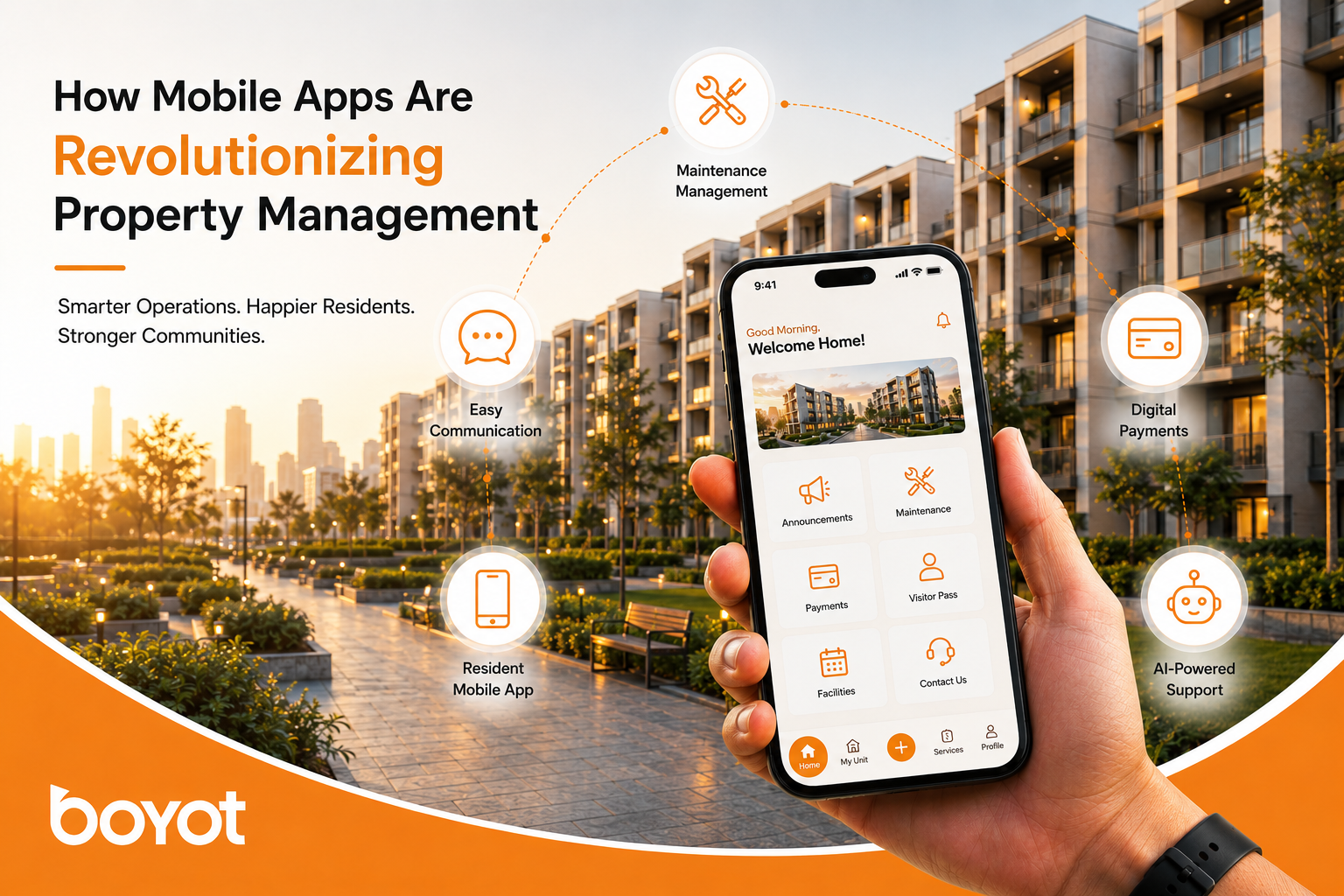
The property management industry is undergoing a digital transformation, and mobile technology is at the center of this change. As resident expectations continue to evolve, property managers and real estate developers are increasingly turning to mobile applications to streamline operations, improve communication, and deliver a more convenient living experience.
In today's fast-paced environment, residents expect instant access to services and information from their smartphones. At the same time, property managers need efficient tools to manage communities, properties, maintenance requests, payments, and resident interactions. Mobile apps are bridging this gap, creating a more connected and efficient property management ecosystem.
Why Mobile Apps Have Become Essential in Property Management
Traditional property management methods often rely on emails, phone calls, paper-based processes, and manual record-keeping. These approaches can lead to delays, miscommunication, and operational inefficiencies.
Mobile applications provide a centralized platform where residents, property managers, and community administrators can interact seamlessly. By digitizing everyday processes, mobile apps help reduce administrative workloads while improving service delivery.
As real estate developments continue to grow across Kuwait, Egypt, and the GCC, mobile-first property management is becoming an important factor in maintaining resident satisfaction and operational excellence.
Key Ways Mobile Apps Are Transforming Property Management
1. Faster and More Efficient Communication
Effective communication is one of the most important aspects of successful property management. Mobile apps allow property managers to instantly share announcements, community updates, maintenance notices, and important alerts with residents.
Instead of relying on multiple communication channels, residents can receive real-time notifications directly through the app, ensuring important information is delivered quickly and efficiently.
This creates a more transparent and connected community environment.
2. Simplified Maintenance Request Management
Managing maintenance requests can be time-consuming when handled manually. Mobile apps enable residents to submit service requests directly from their smartphones, including photos and detailed descriptions of issues.
Property managers can track requests, assign tasks, monitor progress, and provide updates through a single platform.
This streamlined process improves response times, enhances accountability, and increases resident satisfaction.
3. Convenient Digital Payments
One of the most valuable features of modern property management apps is the ability to facilitate online payments.
Residents can conveniently pay rent, service charges, maintenance fees, and other community-related expenses through secure digital payment channels. Automated payment reminders further help reduce missed payments and improve collection rates.
For property management teams, this means less manual follow-up and greater visibility into payment statuses.
4. Self-Service Access for Residents
Modern residents prefer self-service options that allow them to access information whenever they need it.
Mobile apps provide instant access to documents, account information, payment history, community rules, service requests, and other important resources.
This reduces the volume of routine inquiries received by property management teams while empowering residents to find information independently.
5. Improved Community Engagement
Mobile technology is helping create stronger and more engaged communities.
Through community announcements, event notifications, surveys, polls, and resident communication features, mobile apps encourage greater participation and interaction among residents.
This contributes to a more connected living environment and helps strengthen relationships between residents and management teams.
The Rise of AI-Powered Mobile Experiences
The next evolution of property management apps is being driven by artificial intelligence.
AI-powered assistants can provide residents with instant answers to common questions, assist with property-related inquiries, guide users through processes, and offer support around the clock.
Rather than waiting for office hours or manual responses, residents can access information whenever they need it, creating a more responsive and convenient experience.
As AI technology continues to advance, it is expected to become a core component of modern property management platforms.
How BOYOT Supports Mobile-First Property Management
BOYOT helps property managers, developers, and community administrators embrace digital transformation through a comprehensive mobile property management platform.
With BOYOT, residents can access community services, submit maintenance requests, receive important updates, manage payments, and interact with property management teams directly from their mobile devices.
The platform also incorporates AI-powered capabilities that provide instant assistance and improve access to property-related information. By bringing communication, maintenance, payments, and resident engagement into a single mobile experience, BOYOT helps organizations operate more efficiently while delivering a better experience for residents.
Conclusion
Mobile apps are no longer an optional convenience in property management, they are becoming a critical tool for improving operational efficiency and resident satisfaction.
From communication and maintenance management to digital payments and AI-powered support, mobile technology is transforming how properties and communities are managed. As the real estate industry continues to evolve, organizations that embrace mobile-first solutions will be better positioned to meet resident expectations and drive long-term success.
With platforms like BOYOT leading this transformation, property managers and developers can create smarter, more connected, and more efficient communities for the future.