

How Technology Is Improving Transparency Between Property Owners and Management Teams
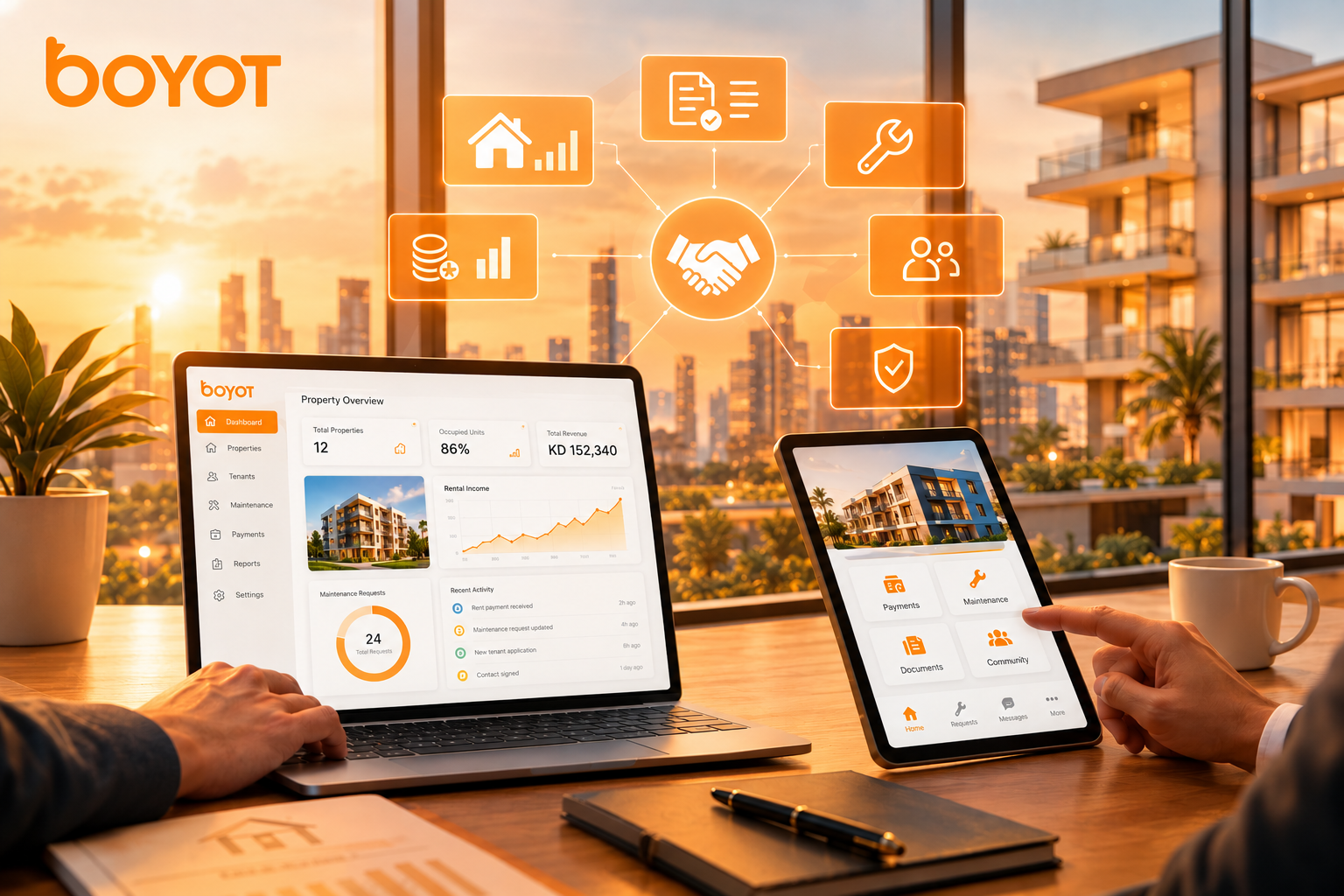
Property owners need clear visibility into how their properties are performing, while management teams need efficient tools to manage daily operations. When information is scattered across spreadsheets, emails, messages, and separate systems, maintaining transparency can become difficult.
As real estate portfolios grow within the wider GCC, technology is helping close this information gap. Modern property management platforms can give owners and management teams access to the same information, creating greater visibility, accountability, and confidence in everyday property operations.
Why Transparency Matters in Property Management
Property management involves numerous activities, including rent collection, maintenance, contracts, expenses, resident communication, and property performance.
Without centralized information, owners may have limited visibility into what is happening across their properties. Management teams, meanwhile, may spend considerable time preparing updates and manually gathering information from different sources.
Technology provides a way to create a more transparent operating environment where relevant information is available when it is needed.
How Technology Improves Property Management Transparency
1. Real-Time Access to Property Information
One of the biggest advantages of digital property management is access to up-to-date information.
Instead of waiting for periodic reports, property owners can have greater visibility into important areas such as occupancy, rental activity, payments, maintenance, and ongoing operations.
This allows owners to understand property performance without relying entirely on manual updates from management teams.
2. Clearer Financial Visibility
Financial transparency is essential for property owners.
Digital property management platforms can organize information related to invoices, rental payments, outstanding balances, and other financial activities in a centralized environment.
This makes it easier for management teams to maintain accurate records and for owners to understand the financial status of their properties.
3. Better Maintenance Tracking
Maintenance is another area where transparency can make a significant difference.
Instead of simply being informed that an issue has been reported or resolved, digital systems can provide a record of the request, its status, assigned team, and completion.
This creates a clearer trail of maintenance activity and helps owners understand how service-related issues are being handled.
4. Centralized Reporting
Property owners often manage multiple buildings, units, or developments. Reviewing information from different sources can make portfolio oversight challenging.
Centralized dashboards and reporting tools can bring important operational data together, making it easier to monitor performance and identify areas that require attention.
Management teams can also spend less time compiling information manually and more time acting on it.
5. Improved Accountability
Technology can create clearer ownership of operational tasks.
When activities such as maintenance requests, service tasks, payments, and resident issues are recorded digitally, management teams can track what has been completed and what still requires action.
This creates greater accountability across property operations and reduces the possibility of tasks being lost in emails or informal communication channels.
6. Stronger Communication Between Owners and Managers
Technology can also improve communication by creating a centralized source of information.
Instead of exchanging multiple messages to understand the status of a property, owners and management teams can refer to shared digital records and reports.
This reduces misunderstandings and helps create a more collaborative relationship between property stakeholders
Moving From Periodic Updates to Continuous Visibility
Traditional property management often depends on periodic reporting. Owners may receive updates weekly or monthly, making it difficult to understand what is happening between reporting periods.
Modern property management technology shifts this model toward continuous visibility.
When operational information is updated within a centralized platform, owners and managers can work from the same data. This enables faster identification of issues and supports more informed decision-making.
How BOYOT Improves Transparency
BOYOT provides an integrated platform that connects important aspects of property and community management.
Through BOYOT, property owners and management teams can manage areas such as rental operations, payments, maintenance, resident services, communication, and reporting through a connected digital ecosystem.
Centralized dashboards provide greater visibility into property operations, while digital records help management teams track activities and maintain accountability.
BOYOT's mobile applications also connect residents with property management, helping ensure that requests, payments, announcements, and services are handled through structured digital channels.
By bringing these functions together, BOYOT reduces reliance on disconnected spreadsheets, emails, and manual processes while creating a clearer view of property performance.
The Future of Transparent Property Management
Transparency is becoming increasingly important as property portfolios become more complex and technology becomes a larger part of real estate operations.
For property owners, better visibility means greater confidence in how their assets are being managed. For management teams, centralized technology means better organization, accountability, and communication.
As real estate companies across Egypt, and the GCC continue to adopt digital solutions, transparency will become less dependent on manual reporting and more closely connected to real-time property data.
The future of property management is not simply about managing properties digitally, it is about creating greater visibility, accountability, and trust between everyone involved.