

The Impact of Delayed Maintenance on Property Value in Modern Property Management
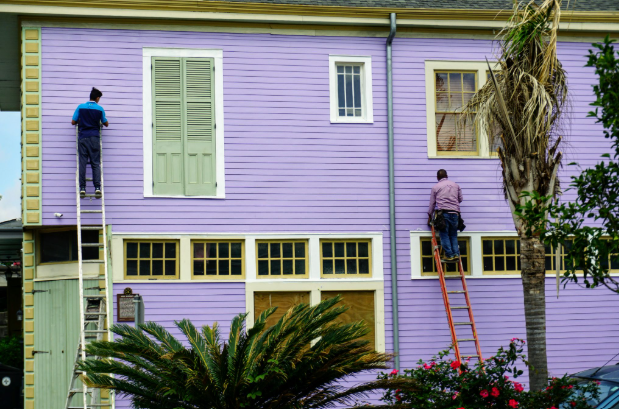
In today’s real estate market, property value is no longer determined only by location or design. Increasingly, it is shaped by how well a property is maintained over time. Developers and property owners are realizing that property management plays a direct role in protecting and enhancing asset value.
One of the most overlooked risks in this equation is delayed maintenance.
At first glance, postponing a repair or service request may seem minor. But over time, these delays can accumulate, leading to higher costs, reduced tenant satisfaction, and ultimately, a decline in property value.
Why Delayed Maintenance Is a Growing Problem
As property portfolios expand, managing maintenance becomes more complex. Multiple units, tenants, and service providers create a constant flow of requests that need to be tracked and resolved efficiently.
In many cases, delays occur not because teams are unwilling to act, but because systems are not structured to handle the volume. Requests get lost, priorities are unclear, and coordination between teams becomes inefficient.
This is where property management begins to show its importance. Without a clear and organized maintenance process, even small issues can escalate into larger operational problems.
The Long-Term Impact on Property Value
Delayed maintenance does not just affect day-to-day operations, it has a direct impact on long-term asset performance. Properties that are not consistently maintained begin to show signs of deterioration, both physically and financially.
From a tenant’s perspective, unresolved issues reduce confidence in the property and its management. Over time, this can lead to higher vacancy rates and lower retention.
From an owner’s perspective, the consequences are even more significant. The overall perception of the asset declines, making it less competitive in the market.
Some of the most common impacts include:
- Gradual deterioration of property condition
- Increased repair costs due to compounded issues
- Reduced rental value compared to well-maintained properties
- Negative tenant experience leading to higher churn
These factors combine to reduce the overall return on investment.
How Small Delays Turn into Major Costs
One of the key challenges with delayed maintenance is that problems rarely remain small. A minor leak, for example, can lead to structural damage if not addressed in time. Similarly, delayed servicing of equipment can result in complete system failuresOne of the key challenges with delayed maintenance is that problems rarely remain small. A minor leak, for example, can lead to structural damage if not addressed in time. Similarly, delayed servicing of equipment can result in complete system failures.
This creates a cycle where costs increase over time instead of being controlled early.
In practical terms, delayed maintenance leads to:
- Emergency repairs that are more expensive
- Unplanned downtime for tenants
- Higher operational costs in the long run
- Strain on maintenance teams due to reactive work
This shift from preventive to reactive maintenance is one of the biggest risks in property management today.
The Role of Structured Property Management
Effective property management ensures that maintenance is not treated as a reactive task, but as a structured and continuous process. This involves tracking requests, prioritizing tasks, and ensuring timely resolution.
When maintenance is managed properly, properties remain in better condition, tenants are more satisfied, and long-term costs are reduced.
A strong maintenance strategy within property management focuses on:
- Early identification of issues
- Timely scheduling of repairs
- Clear communication between teams and tenants
- Consistent monitoring of property condition
This approach helps prevent small problems from turning into major expenses.
Why Technology Is Changing Maintenance Management
As the scale of real estate operations increases, manual maintenance tracking is no longer sufficient. Property management platforms are enabling companies to handle maintenance more efficiently through structured workflows and real-time visibility.
With the right system in place, property managers can track requests, assign tasks, and monitor progress without delays. This reduces dependency on manual coordination and ensures that issues are addressed promptly.
In competitive markets like Dubai, this level of efficiency is becoming essential to maintaining asset value and tenant satisfaction.
How Boyot Improves Maintenance in Property Management
At Boyot, we understand that maintenance is a critical part of property management and a key factor in preserving property value.
Our platform helps property managers streamline maintenance operations by:
- Centralizing all maintenance requests in one system
- Allowing faster assignment and tracking of tasks
- Providing visibility into ongoing and completed work
- Improving communication between tenants and service teams
By reducing delays and improving coordination, Boyot helps ensure that maintenance issues are resolved quickly and efficiently, protecting both tenant experience and asset value.
Conclusion
Delayed maintenance is one of the most underestimated risks in real estate. While it may seem like a short-term operational issue, its long-term impact on property value is significant.
Effective property management ensures that maintenance is handled proactively, consistently, and efficiently. By addressing issues early and maintaining high standards, property owners can protect their investments and maximize returns
In today’s market, maintaining a property is not just about upkeep, it is about sustaining value.